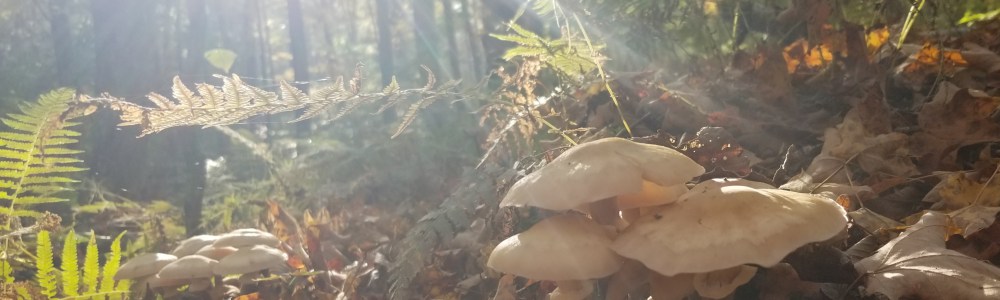
Finding a Familiar Path
The thought came to me in early spring. I should find a place not previously known and come to know that place as well as time and circumstance would allow. By then Easter had come and Easter had gone, and with it the vaporous hope that COVID would soon pass into memory, and all now suspended, disrupted and confused would resume. We would all soon be back to work.
It was still early enough in the plague years to imagine such things, to beleive that ‘normal’ could return. Maybe in some better, healthier form: Habit could be re-ordered and Routine bent to something better fit for human purpose, human flourishing. But in those first few weeks, there was little doubt that the fever would pass and life would resume.
In the meantime, a place to walk in quiet and solitude seemed to fit the moment, to offer some respite from the growing sense that COVID would not soon be done with us, that our initial acquaintance would grow into something deeper and far more unsettling than anything we had previously known.
With all this not so much in mind, or even coming to mind, I chose a small trail system, a three or four mile loop in the Killingworth woods and began to walk.
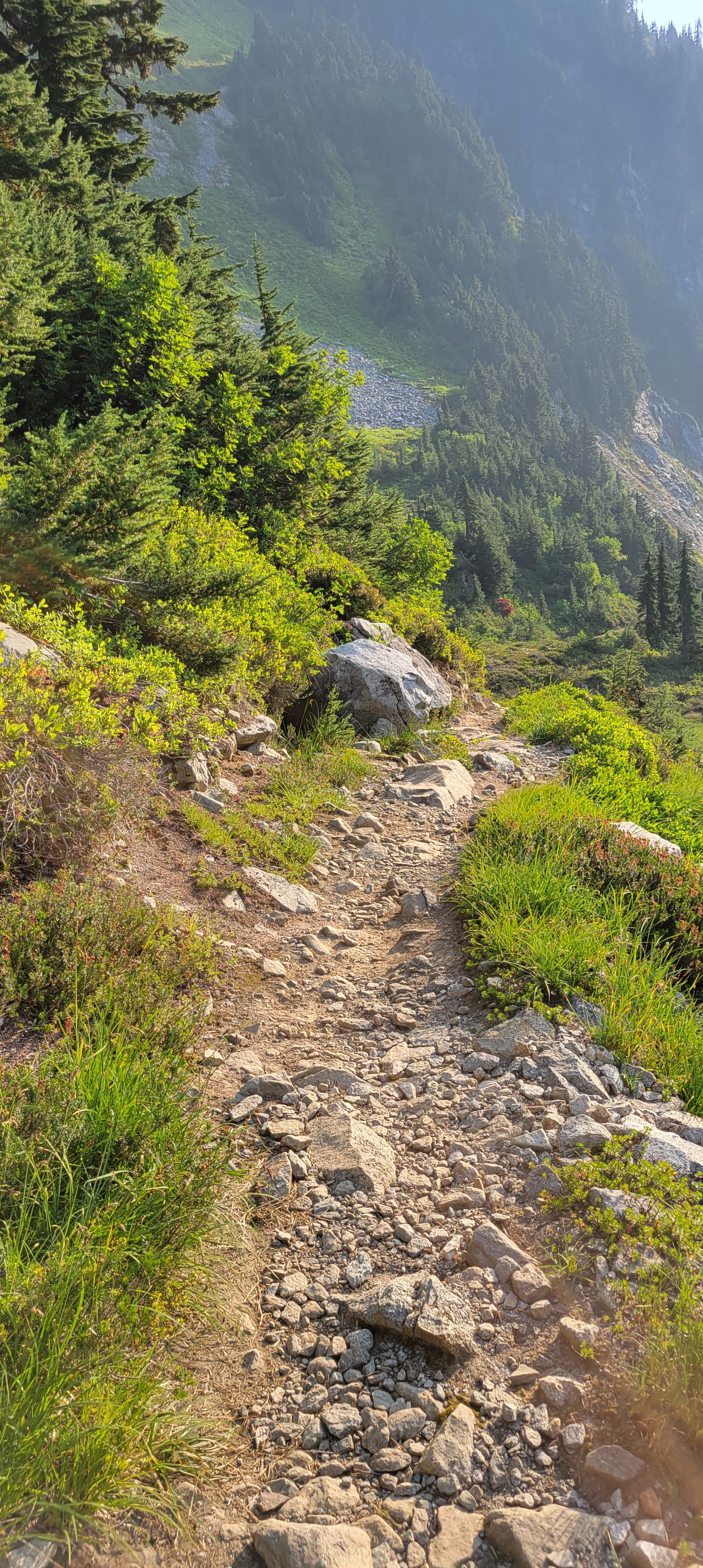
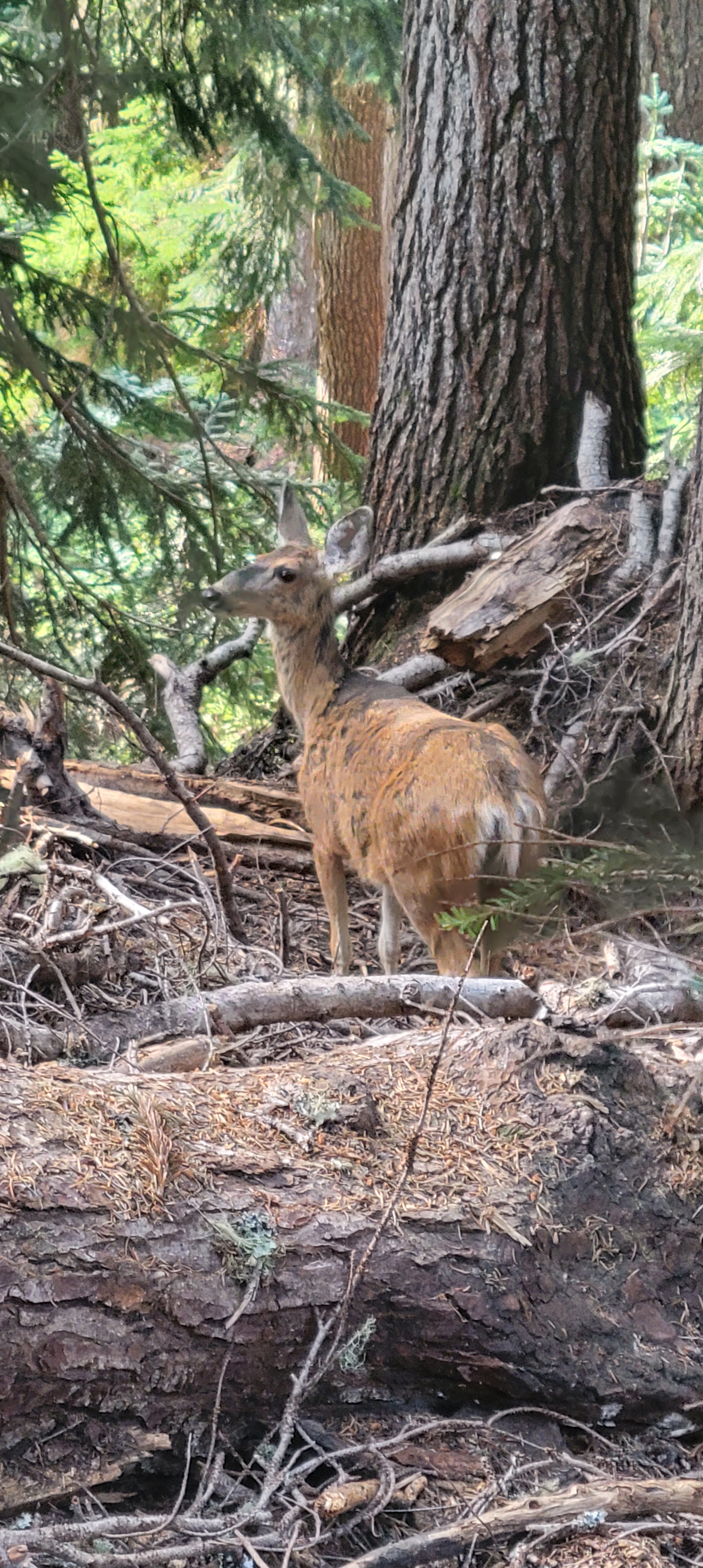
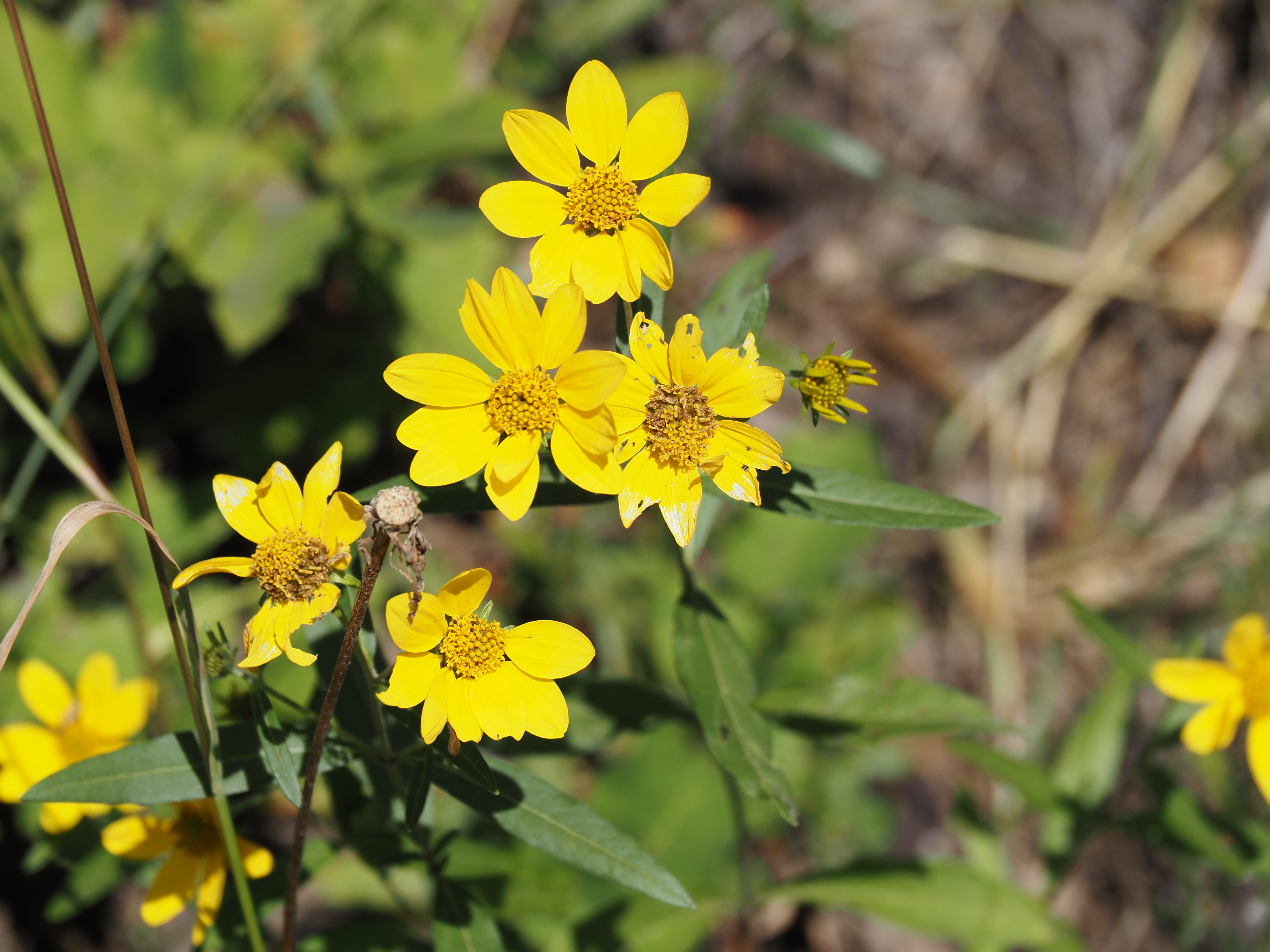
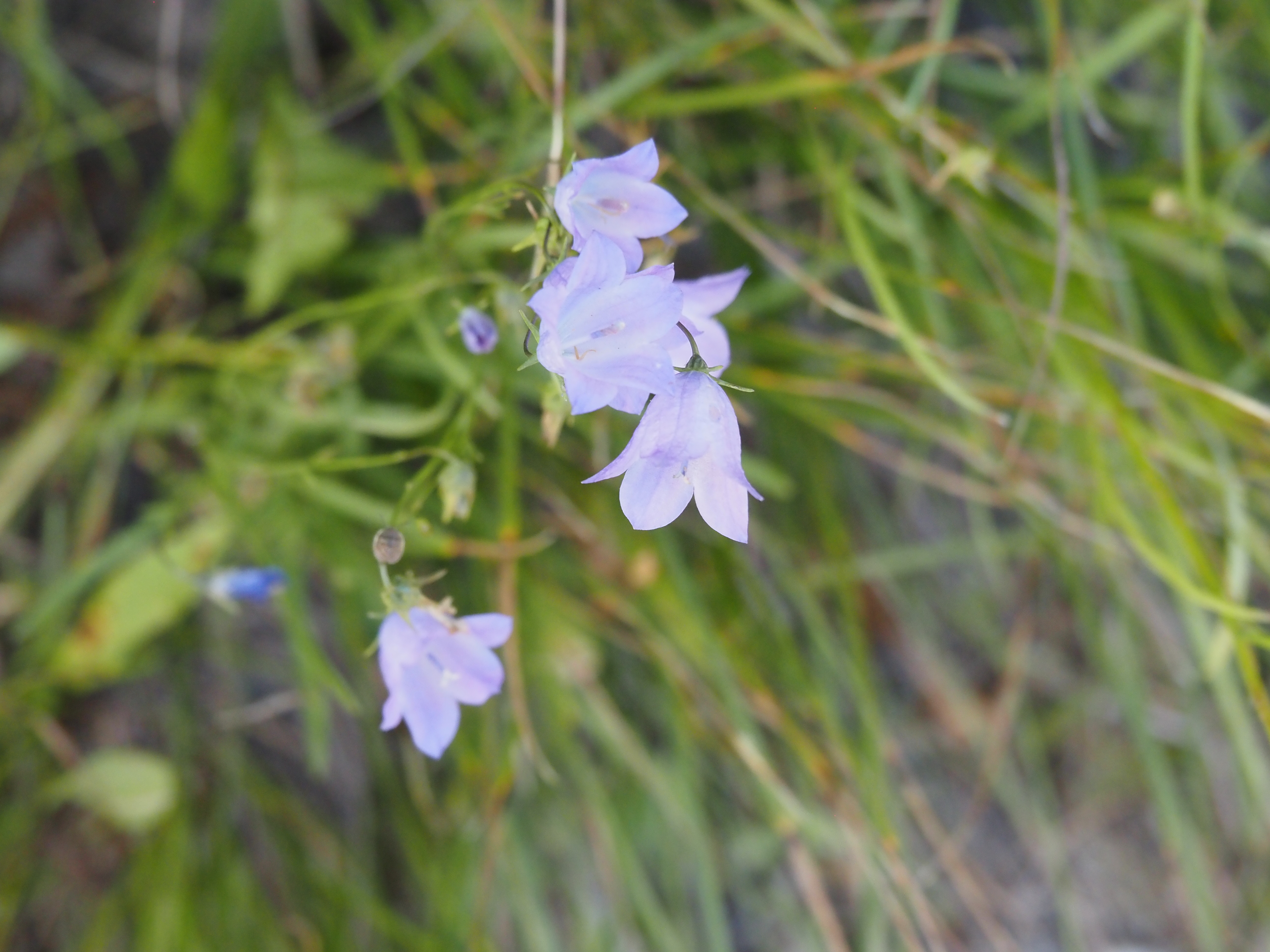
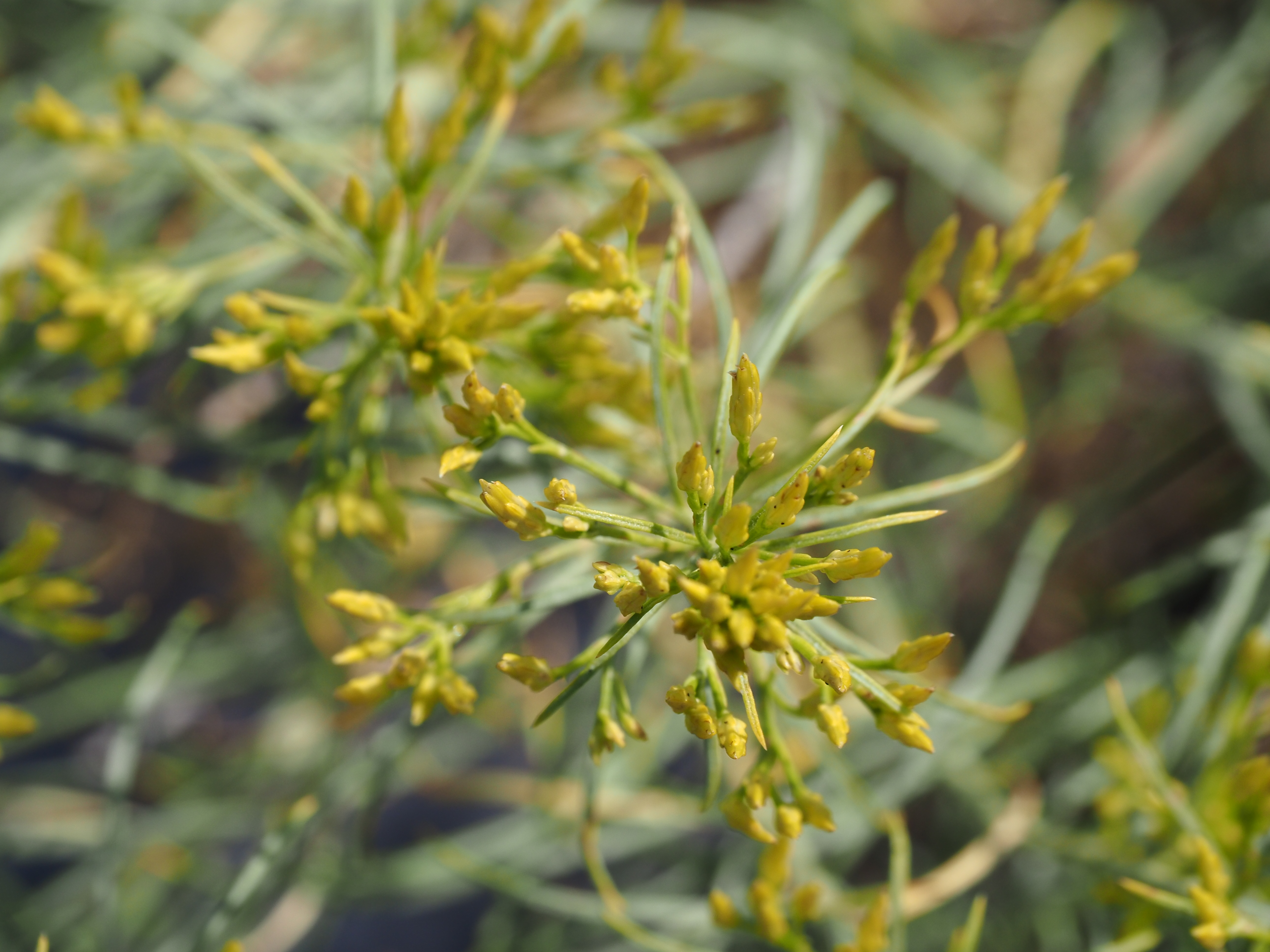
For the first year or so, I made a point of walking the trail three or four times a week. The trail’s design is masterful. It runs through marsh and forest, climbs over rock ledges and drops into ravines, all tightly coiled into a couple of square miles.
It seemed to me at the time that there was an obvious advantage to starting in the spring. At a time when the world seemed to be retreating into dormancy, the woods were coming into bloom. An ironic progress, to be sure; but the movement from the quiet, stillness of barren woods to the full bloom of spring carried some hope for a still greater rebirth.
Still, there was something in the cycle of growth and decline, something genuinely graceful in the nature of woods. They know their seasons. Untroubled by the fall, they know spring will come.
This, I suppose, is the blessing that comes with a season spent dormant: to be free from the straight-jacket constraints of usefulness and growth for their own sake, for productivity that acknowledges no season, no limits, no rest. This is the grace found in small things, in a world unhurried and unharried, in mosses that are both delicate and tenacious, in the splendor of sunlight and the immutability of rock. In every step a reminder that there is something in the life around us that awakens a sense of hope.
Years ago, I stumbled upon a verse from T.S. Eliot, I think. ‘We shall not cease from exploration,’ he wrote. ‘And the end of our exploring will be to arrive where we started and know that place for the first time.’
Something about this verse has stayed with me over these past three years of walking in that wood. It speaks to something else Eliot wrote, that every beginning is somehow an ending as well; that despite our desire for permanence, for rootedness, we are perhaps nomadic and migratory at heart. We set out to explore and discover and to make a home of where the trail leads us; to know that place deeply enough to meet the uncertainty of this season with an assurance that just as there was a time before COVID, there will come a time when it is gone. I remain as certain of that as I am that mosses stay green in January and that life will always return in the spring.




















































































 John said to him, ‘Teacher, we saw someone casting out demons in your name, and we tried to stop him<a, because he was not following us.’ But Jesus said, ‘Do not stop him; for no one who performs a miracle in my name will be able soon afterwards to speak evil of me.
 Out of the Wilderness